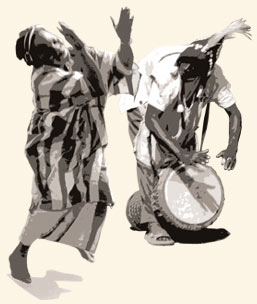

At djembemoves we are dedicated to bringing the traditional dance and drumming of Guinea and Mali to Australia, in the form of performance, lessons and instruments. We are based in the SW, near Perth. You will find here a lot of background information, photos and videos about West African drumming, dance and instruments.
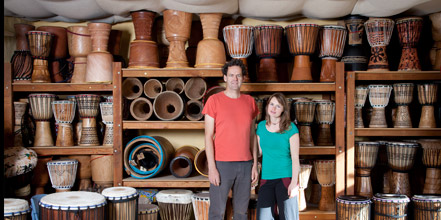
photo taken by Victoria Baker Photography
news
- Summer Drummer Kids Drumming Workshops – Summer holiday workshops for children aged 5 to 12.
Wednesday 29th January 2020
10-10:30am for kids aged 5-6 $10 per child
10:45 to 11:45 kids aged 7-9 $15 per child
1pm to 2pm kids aged 10-12 $15 per child
5pm to 6pm parent child workshop, play music together with some fun games on the drum. $20 for both open to all ages
Registration essential.
All workshops will be held at the Djembemoves studio in Bridgetown.
Drums are available!
contact us!
- Adult drumming classes are Mondays from 6pm – 8pm at our Djembemoves studio just contact us!
- Drumming Intensive – Djembemoves is offering an intensive drumming weekend for those who want to go into depth and explore the finer details of West African music. Places are limited to 6 – 8 people. (intermediate or advanced)
Please contact us! to register.
For more information click here
- If you would like us to visit your school, your company or your privat event, please contact us . We have been busy travelling around the South West and further to facilitate diverse incursions and workshops, which you will not always see on our website.
See Special Interest Groups for more information
We are teaching in schools and after school around Darkan, Frankland River, Karridale, Bridgetown, Boyup Brook and the South West.
- Find us on Facebook